This manga is a political drama that features simplifications or exaggerations, however, the political systems and dynamics in the manga are based on real life politics. Electoral systems of Japan and America combine with the historical lore of Yezo to create the unique electoral politics, parliament, and governing structure.
Yezo
A relic of the Cold War
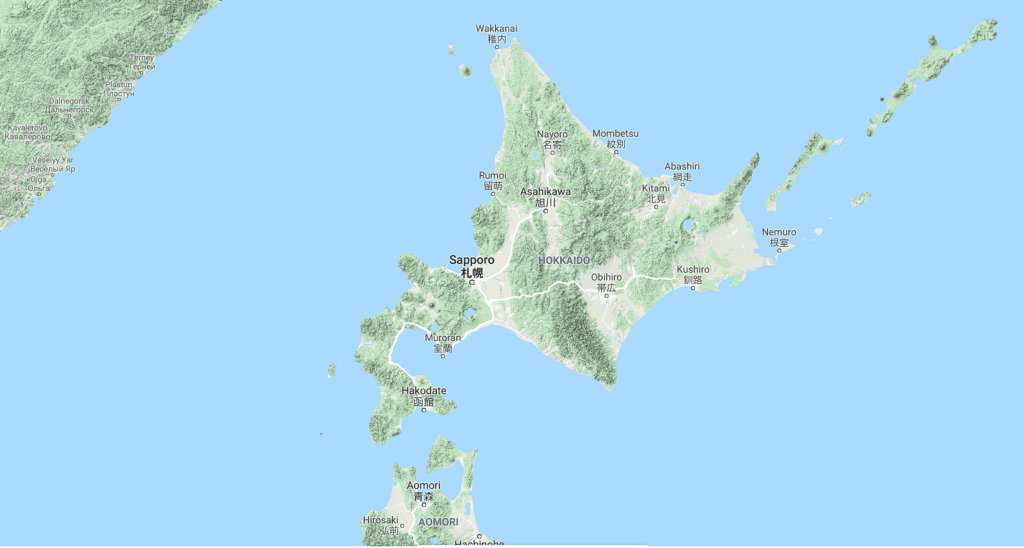
Yezo is a Country in North-East Asia centered on the island of Hokkaido. During the post-war occupation, in order to ensure the security of the northern straits, America split the three prefectures from Japan to form Yezo. There are approximately 9 million people spread across the three prefectures of Hokkaido, Aomori, and Chishima. The major cities of Sapporo (the capital), Hakodate, and Aomori make up the most dense and diverse portions of the populace and economy.
The ethnic demographics of Yezo are roughly as follows:
Japanese 5,607,000
American 1,550,000
Korean 545,000
Ainu 436,000
Russian 51,000
Other 30,000
Taiyounokage’s Electoral District
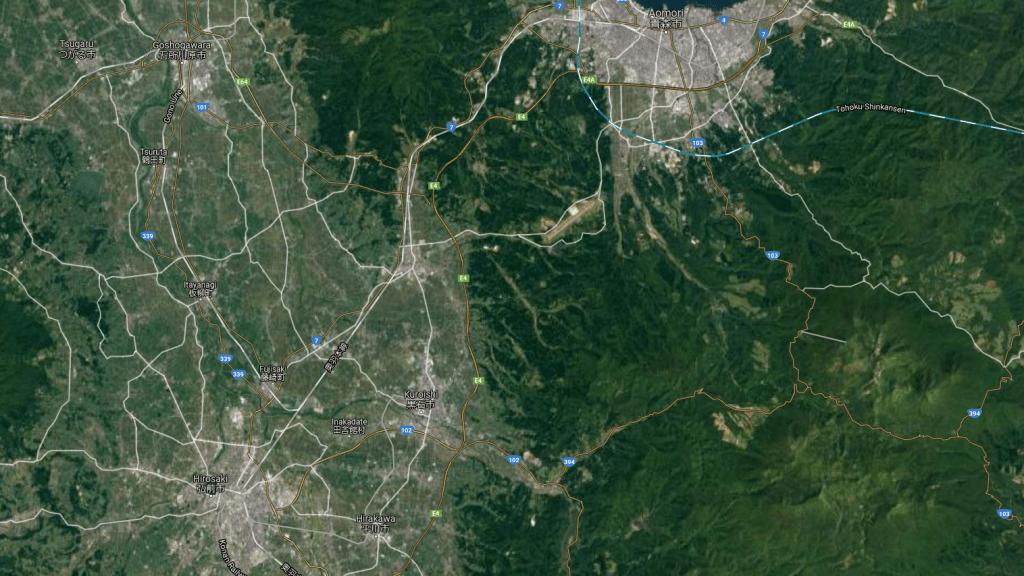
Aomori South – Kuroishi – Hirakawa
This electoral district is a single member district. It stretches from the southern portion of Aomori through Kuroishi, and terminating in the outlying areas of Hirakawa. Ecological experiences, a tranquil lifestyle, apples, and winter tourism amount for many of the unique facets of the district outside Aomori’s bustling city scene.
The district elected Kagami Taiyounokage (FPI) for the first time in 2009 – the same year the FPI entered the scene. Taiyounokage was reelected in 2012, 2015, and 2018. Prior to 2009, this district and region elected members of parliament from a diverse range of parties including Butsutou, The Shintoists, Global Fraternity Association, the Liberal Party, and KJT.
Parliament Distribution
Coalitions are the heart of political longevity in Yezo
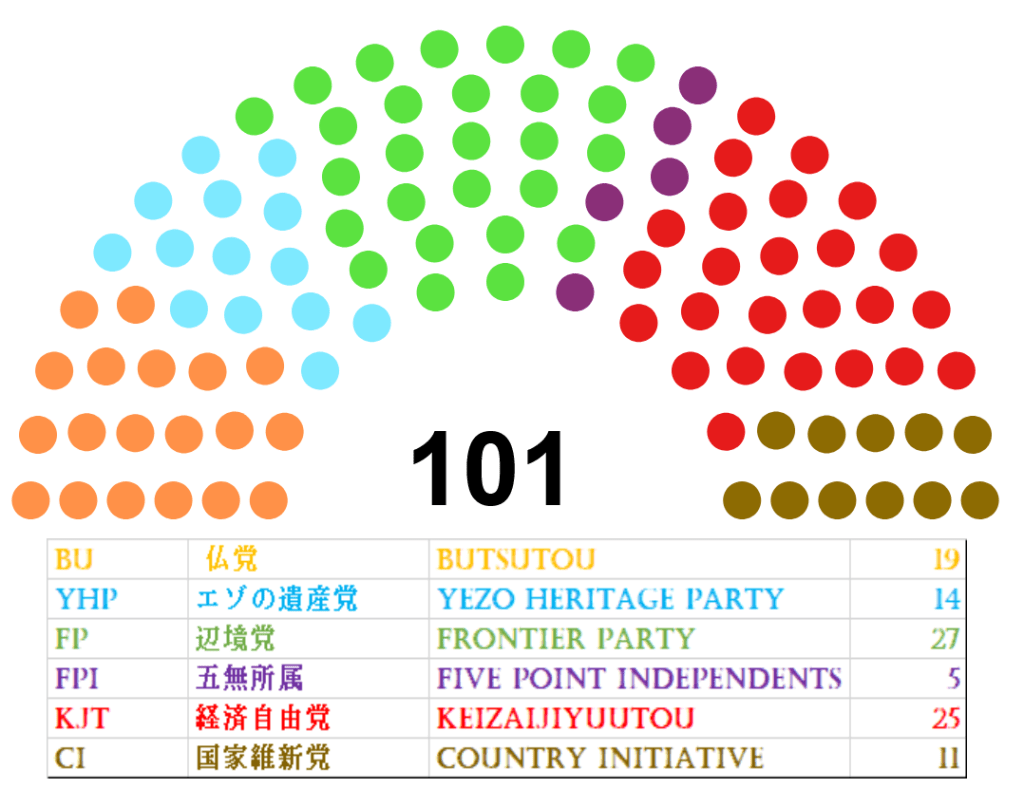
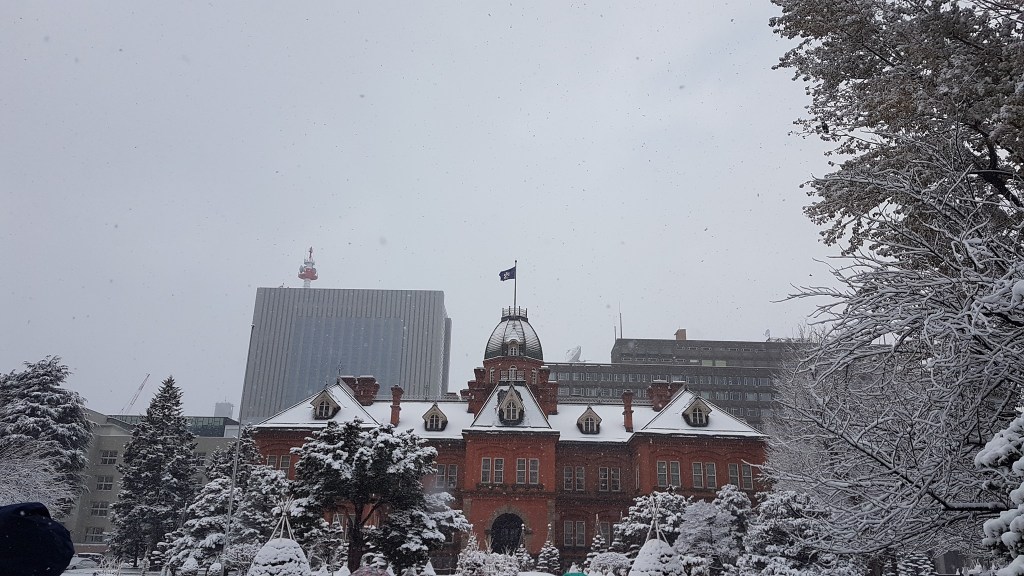
The Parliament of Yezo is a unicameral multiparty body elected by direct elections with single-member and multi-member districts according to population size, distribution, and a quota system which mandates a minimum of 10 seats for candidates of Ainu heritage – this guarantee became the backbone of the Yezo Heritage Party. The quota system was implemented to address historical marginalization and ensure political representation during the ever-changing post-war era and occupation. Currently, in Coliseum of Parliament, six political parties sit in the chamber and four form a government comprised of 65 members from the YHP-FP-BU-FPI coalition.
Parliamentary Leadership
Ten Ministers, One Government
The Yezo Parliament leadership consists of 10 individuals who simultaneously form the executive cabinet. The parliamentarians elect the prime minister who nominates nine people to be the chairperson of nine parliamentary committees. The Yezo Parliament’s members then approve or reject the nominees in a vote which requires 40% approval if the nominee is of the parliament or 60% approval if the nominee for the chair is not an elected member of parliament. The chairperson serves as the respective minister of state.
The committees, and thus ministers, are: *Minister of Ethics and Prosecution
*Minister of the Environment
*Minister of War
*Minister of the National Assembly
*Minister of Agriculture
*Minister of Foreign Affairs
*Minister of Construction and Development
*Minister of Finance
*Minister of Government
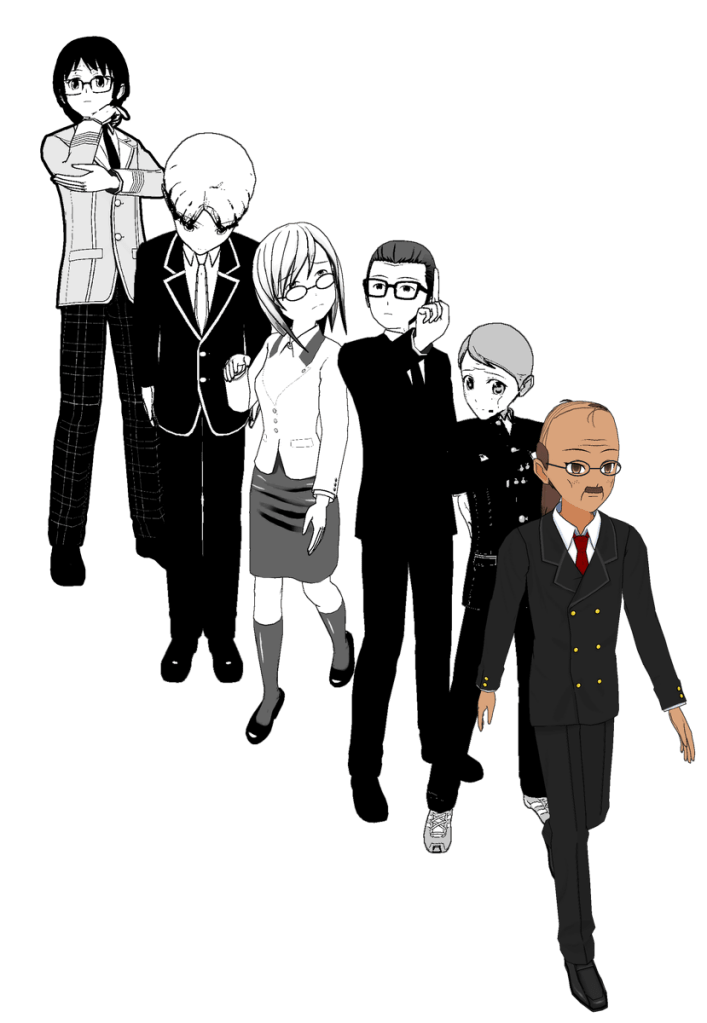
Unstable Premiership
Twenty Four Years, Six Premiers
The Yezo parliament elects one of their own as the prime minister after each election or when a stable governing majority persists. Within the last 24 years there were six prime ministers, of which four led a minority government. Each formed a coalition of three or more parties. Of the recent Yezo prime ministers, Aki Rono is the only one with a government across three elections.
Prime Minister’s Party | Years of Premiership
*Yezo Heritage Party | 2012-Present
*Liberal Party | 2009-2012
*Historical Revivalists | 2003-2009
*Butsutou | 2000-2003
*Country Initiative | 1997-2000
*Keizaijiyuutou | 1994-1997
 Tales of the Aeons